
Walking past Crown on a Tuesday arvo, you can feel the noise before you see the floor. Streamers capture that same energy for people sitting in Wollongong or anywhere else, but the psychology behind the broadcast is worth separating from the entertainment. I have spent two decades around machine floors and product strategy, and what looks like a casual stream often carries a carefully tuned rhythm. This piece keeps the focus on how that psychology works, what it means for your bankroll, and where the limits sit.
How streamers shape what you notice
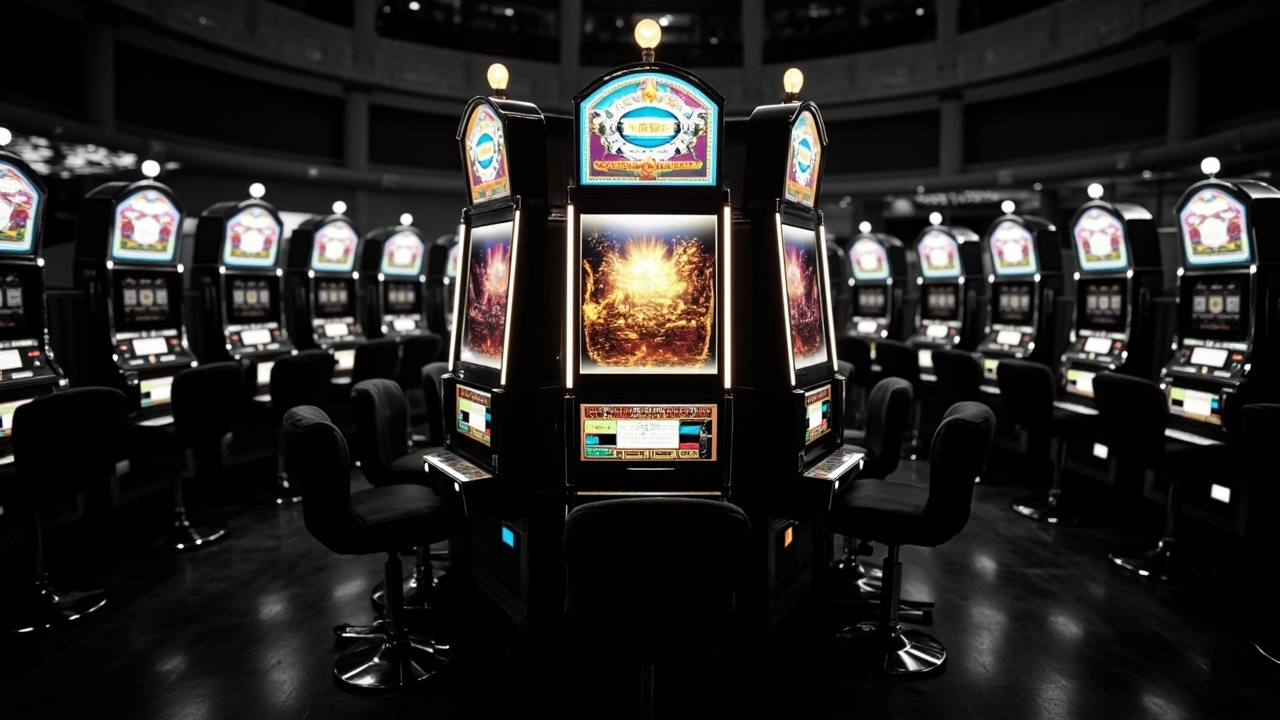
Pokies streamers psychology is less about the reels and more about attention. A broadcaster chooses when to lean in, when to pause, and when to call a near-miss in a way that sounds dramatic without promising anything. The viewer sees a person reacting to variance, not a system that can be read. That distinction matters because the brain tracks faces and voices faster than it tracks paylines, so a calm voice during a dry run can make a losing sequence feel temporary rather than costly.
From my time on product strategy at TCS John Huxley and later in Crown planning, I saw how layout, lighting and sound guide behaviour on a floor. A stream does something similar with framing and commentary. The difference is that a studio can edit the pace, replay a spin, and hold the camera on a moment that would pass unnoticed on a real machine. That does not make the content fake, but it does mean the emotional shape of a broadcast is curated. If you treat the stream as a performance with a point of view, you can enjoy it without mistaking the pacing for a signal about your own session.
What watch time can and cannot tell you
Reading the broadcast without reading too much into it
A streamer’s job is to keep people watching, and watch time is built from contrast. A long flat run and a sudden payout create the kind of swing that holds attention, so the edit naturally favours moments that feel charged. That is ordinary broadcasting technique, not evidence that one game is due or that a pattern is forming. The practical reading is simpler: a stream shows how a person manages pace, bankroll talk, and the temptation to chase a streak.
I have sat through enough floor reviews at Ainsworth and Bally Macau to know that machine behaviour is governed by programmed volatility and regulatory testing, not by a host’s commentary. The useful takeaway is to separate the person’s discipline from the machine’s maths. If a broadcaster talks through loss limits, session length, or walking away after a defined stop, that is worth noticing because it is a behaviour you can copy. If the same person talks about “feeling” a run coming, treat that as entertainment language rather than a decision tool. gates-of-olympus
Where the psychology meets your own limits
The most useful part of pokies streamers psychology for a regular player is the mirror it holds up. Watching someone narrate a session can expose your own habits: whether you speed up after a win, whether you extend a session because the person on screen is still playing, or whether you mistake a lively voice for a sign to keep going. The risk is that the stream becomes a social cue to stay longer than you planned, especially when the chat is active and the host is reading names aloud.
That is where a concrete check helps. A streamer’s setup, whether it uses a demo account, a funded account, or a mix, changes what you are actually seeing. Some broadcasts are clearly promotional, some are personal streams, and some sit somewhere in between with sponsorship language that is easy to miss when the pace is fast. If you want the view to inform your own play rather than pull it, decide in advance what you are watching for: discipline, pacing, or just a bit of Saturday night entertainment. The moment the broadcast starts changing your stop-loss or your session length, the psychology has moved from observation to influence, and that is the point to step back.
Choosing how to use the stream in your own session
The ongoing value of any stream for a player is not a bonus figure and not a promise of repeat wins. It is whether the broadcast helps you keep a steadier session or whether it quietly encourages longer play. If you are looking at a site that offers recurring promos, cashback, loyalty tiers, tournaments, or repeat-play reasons, treat those as ordinary product features and weigh them against your own habits rather than against a streamer’s highlight reel. A stream can make a platform feel lively, but the real test is whether your own limits hold when the screen is full of motion and commentary.
For a local player around Wollongong, the practical question is simple: does watching a stream improve your discipline, or does it make the session feel like an event you should extend? If it is the first, you can use the broadcast as a pacing reference. If it is the second, the psychology is working against your plan. I would rather see a player use a stream to notice their own reactions than to justify another ten minutes after the numbers have already said stop.
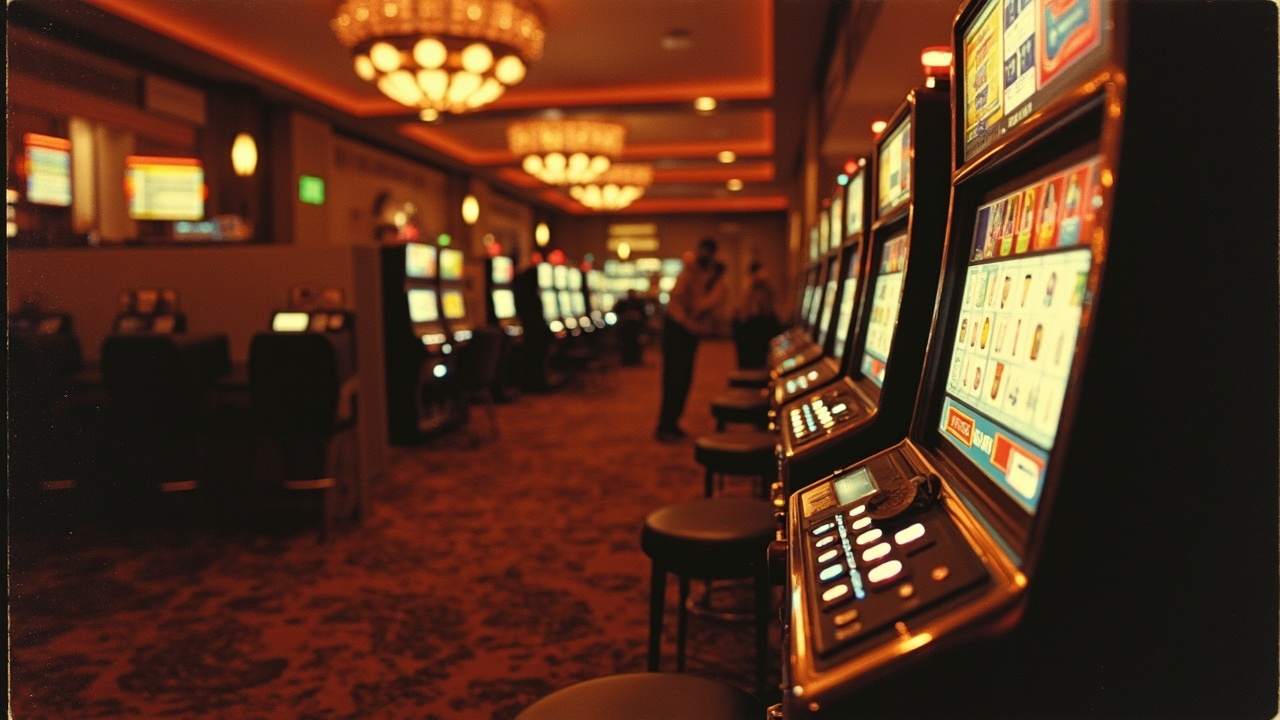
Lucas Harris, Head of Product, Brighton Beach Betting Lab, puts the distinction bluntly: “A stream can model good session habits, but it can also glamorise chasing. The viewer has to decide which part they are actually copying.” Projetospedagogicosdinamicos
Verdict
Pokies streamers psychology is worth understanding because it shapes what you notice, how long you stay, and which habits you borrow from the person on screen. The entertainment is real, the influence is real, and the machine’s behaviour is still governed by its own programmed limits, not by a host’s tone. Treat the stream as a curated performance, keep your own stop rules in front of you, and you can enjoy the view without letting it run the session for you.
