
Pokies Built Around Collecting Bonus Symbols
Australia’s earliest colonial settlers gambled on card games, cockfights and horse races, yet modern pokies have moved well past chance alone. A growing number of Australian players now lean toward titles that reward patience with symbol-collection rounds, where each matched icon nudges a feature closer rather than handing out instant cash. That design suits punters who prefer steady progression over volatile spikes, and it is a reasonable choice if you want sessions that feel more deliberate. The concept is not new, but it has matured enough to deserve a proper look.
https://tower-rush-au.net/ sits in the same lane as a handful of operators that have leaned into symbol-collection mechanics as a deliberate alternative to scatter-chasing slots. The property positions itself around a compact catalogue rather than a sprawling library, and that restraint is one of its more useful traits when you are trying to avoid the noise of endless new releases. Registration is straightforward, the currency defaults to Australian dollars, and the mobile layout holds up without requiring a separate app. What sets it apart is the way bonus rounds are presented upfront, so you can see how long a collection sequence usually runs before committing any stake.

The distinguishing traits are easy enough to list. Games tend to use fewer paylines than the market average, which keeps the screen readable on a phone during a busy arvo. Bonus symbols are marked clearly, and progress toward a collection threshold is shown in a way that does not demand constant attention. Support is available through a live chat window and email, with response times that are acceptable rather than instant. The overall fit is for players who value clarity and a measured pace over promotional clutter.
That positioning is a judgement call, not a universal truth. Some players prefer the opposite approach, where a single spin can reset the session in either direction. The symbol-collection angle works best when you treat it as a different priority set, not as a safer or more generous option. It is a matter of what you want from a session: gradual build, or the chance of a sudden swing. Neither approach is inherently better, and the right choice depends on how you handle variance.
What the symbol-collection mechanic actually does
A bonus symbol collection round is simply a sequence where matching icons are gathered across a set of spins or a triggered feature, and the reward scales with how many you collect before the sequence ends. That is different from a scatter-triggered free spins round, where the outcome is usually decided by the base game’s volatility and any multipliers in place. In a collection design, the visible progress is the point: you can see how close you are to a threshold, and that often changes how a session feels even when the underlying maths stays the same.
The mechanics vary by title, but the common thread is a defined target rather than an open-ended run. Some games award a small fixed credit for each collected symbol, while others unlock a larger payout once a row or grid is completed. A few add a mild risk element, where collecting too slowly can end the round early. None of that is secret, and it is worth reading the paytable before you treat any collection screen as a promise. The feature is a structure, not a guarantee.
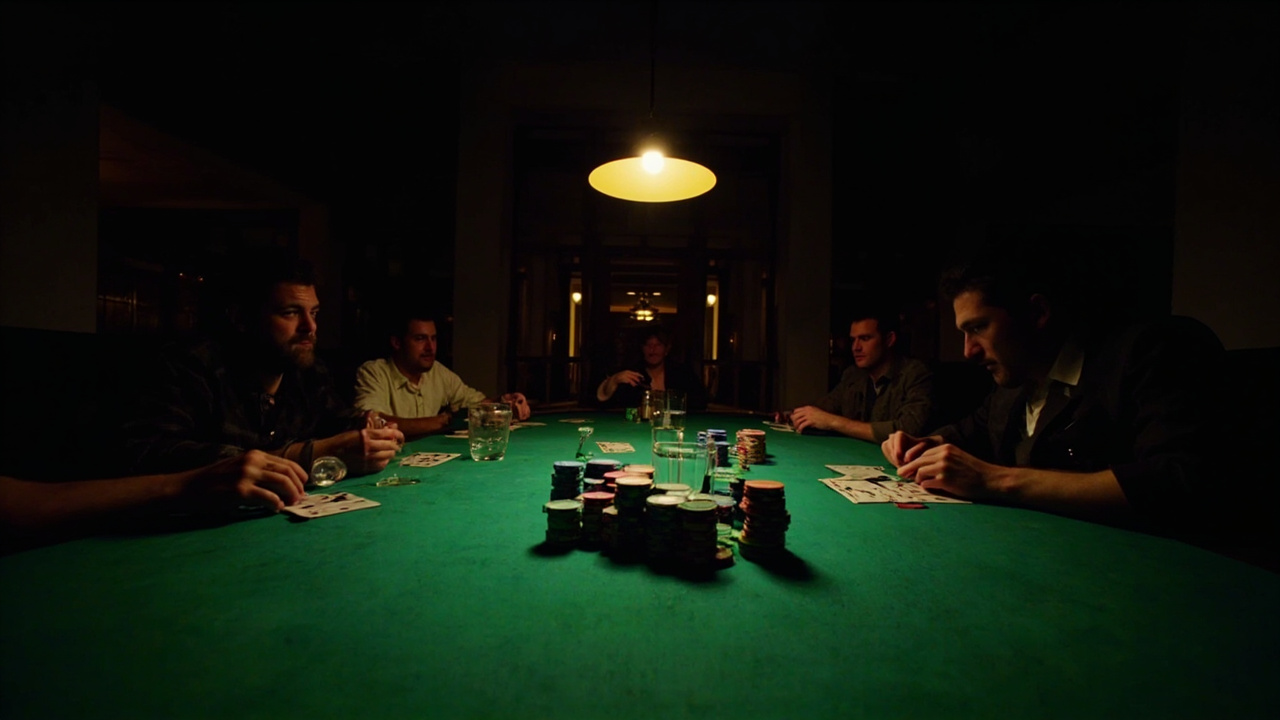
For a punter who is used to more conventional pokies, the main adjustment is expectation. You are not watching for a single big hit so much as watching a sequence unfold. That can suit longer sessions, but it can also feel slow if you are after immediate feedback. Volatility still matters, because a collection feature does nothing to change the base game’s distribution of wins and losses. If you want a calmer experience, this is one of the more transparent ways to get it. If you want rapid swings, it probably will not scratch that itch.
How to judge a collection feature without overreading it
The sensible way to assess a bonus symbol collection feature is to look at three things: how the collection starts, how progress is displayed, and what happens when the sequence finishes. A trigger that relies on a rare combination can make the feature feel elusive, while a trigger that appears often may matter less if the collection target is generous. Neither is automatically better, but the balance tells you a lot about how the game is meant to be played.
Progress display is where a lot of titles differ. Some show a literal counter, others use a visual grid, and a few bury the detail in a sub-screen that you have to open mid-round. A clear display is useful because it lets you judge pace without guessing. It also helps to know whether the collection continues across bonus spins or resets each time, since that changes the rhythm of the feature more than the headline payout usually does. Small details like that are worth checking before you commit much time.
The finish is the part most players skip, which is a mistake. Some collection rounds pay out proportionally, others pay only when the target is met, and a few convert leftover progress into a smaller fallback reward. None of these outcomes is inherently better, but they do affect how the feature feels in practice. If you want a feature that feels fair and readable, favour titles where the end condition is stated plainly. If you are comfortable with more ambiguity, you will find plenty of games that leave the exact outcome a little less obvious.
Where this style fits in an Australian session
In a local context, the appeal of collection-based pokies is often about fit rather than novelty. A player in Western Sydney might be looking for something that works on a commute or during a quiet evening without demanding constant attention, and a feature that shows progress clearly can suit that kind of use. The same design can also suit longer sessions at home, where you are less interested in a single dramatic moment and more interested in a round that unfolds at its own pace.
For players who prefer a steady sense of advancement over flashy surprises, clear progress indicators can make a session feel more manageable. Some titles lean into that approach by tying collection milestones to familiar bonus rounds, which is why you might want to compare options like the Galleon bonus feature. When the mechanics are easy to follow, the game can fit neatly into a routine without pulling focus away from the rest of the evening.
That said, the style is not a substitute for discipline. Collection features can make a session feel more structured, but they do not make the underlying risk any smaller. The practical habit is to decide your stake and time limit before the round starts, then treat the feature as part of the game rather than the reason for it. That is a boring discipline, but it is the one that keeps the experience manageable. It is also the habit that separates a considered session from a reactive one.
If you compare this approach to the more familiar scatter-and-multiplier model, the difference is one of rhythm. One style asks you to wait for a trigger and then react to what follows; the other asks you to watch a sequence build and decide whether the pace suits you. Both are legitimate, and both can be enjoyable. The question is which one matches the kind of session you actually want to sit through.
- Bonus symbol – a special icon that contributes to a collection sequence rather than paying directly on the base grid.
- Collection threshold – the target number or pattern of symbols needed to complete a bonus feature.
- Volatility – the tendency of a game to produce frequent small outcomes or less frequent larger ones.
- Free spins – a round where base-game spins are awarded without extra stake, often with their own rules.
- Paytable – the on-screen list showing symbol values, trigger conditions, and feature rules.
So here is the question to throw back to you and your mates: do you prefer a pokies feature that shows its progress step by step, or one that leaves the outcome to a single trigger and lets the round decide?
