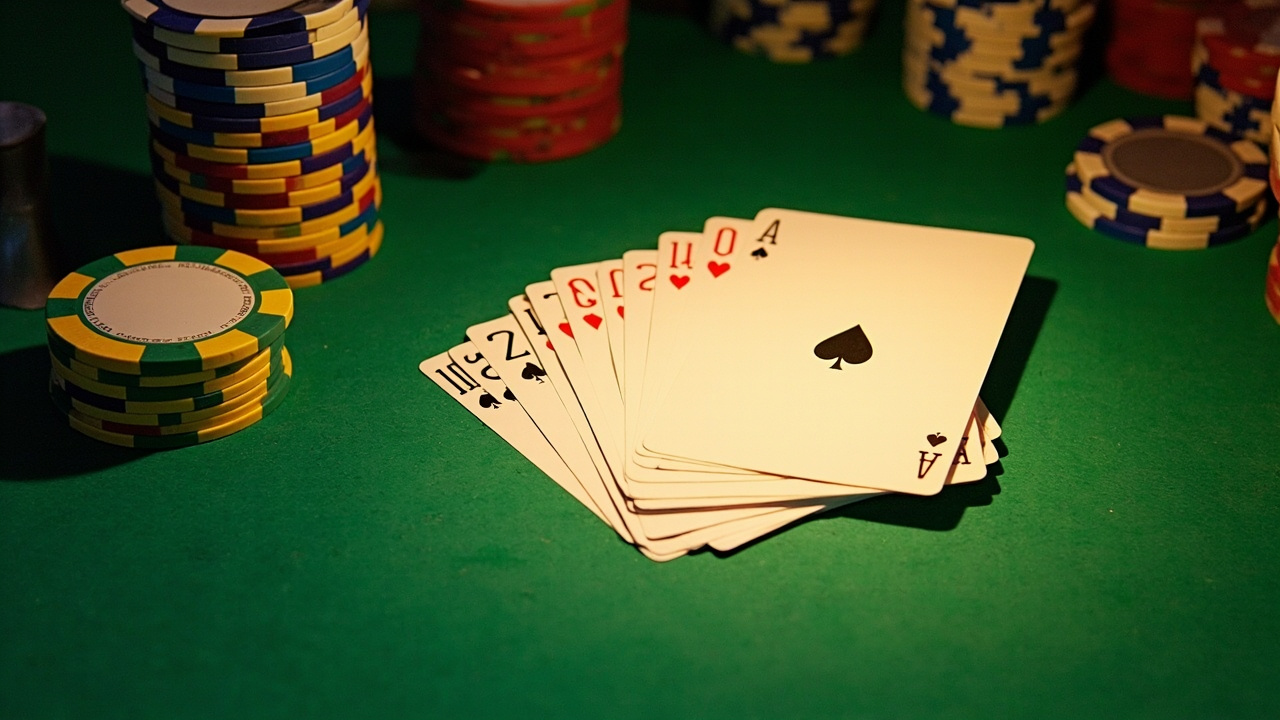
Most Aussie punters know the feel of a live room, the clatter of chips and the slow burn of a proper hand, but casino games with real tables bring that same rhythm to a screen without the smoke and travel. I have spent twenty-five years watching comparison products come and go, and the ones that last are never the loudest promo; they are the ones that respect pace, pay out in a currency you actually use, and make their rules visible before you put a cent down. That is the bar I learned building regulated Serbian comparison products, and it is the same bar I apply here: real tables only earn their keep when the mechanics, the limits and the support line up on a Tuesday arvo, not just on launch day.
When you sit down at a live dealer table online, you are not just watching a stream; you are stepping into a session that runs on real timing, real shufflers and real payouts. The best setups keep the dealer’s cadence honest, show the cut card and the shoe clearly, and let you read the table before you commit. For an everyday Australian player, that means a game that fits between work and the footy, not one that demands you relearn the rules mid-session.
What Real-Table Play Actually Delivers
Real-table casino games with real tables are built around a live dealer, a physical shoe or wheel, and a camera angle that keeps the action legible from your couch. The core offer is simple: blackjack, roulette, baccarat and a few side bets that mirror what you would see on a proper felt. What separates a decent room from a forgettable one is not the number of tables but the consistency of the deal, the clarity of the paytable, and whether the interface gets out of the way when you are making a split-second call. I have seen products bloom on a flashy lobby and die because the dealer pace dragged or the bet slider buried the min/max limits. A solid real-table product keeps the essentials in front of you: table limits, game rules, and a clear path to your balance.
Everyday usability matters more than a glossy lobby. You want a seat that loads without a fight, a dealer who speaks plainly, and a bet round that respects your time instead of racing it. The strongest rooms also make their bonus mechanics readable, so you know exactly what turns over and what does not, rather than hunting through fine print after you have already played. That is the difference between a product that fits your week and one that feels like a detour.
| Trait | What it should feel like | What to watch for |
|---|---|---|
| Dealer pace | Steady, readable, no rushed calls | Laggy stream or rushed rounds |
| Table limits | Clear min/max, fits your bankroll | Hidden caps or tiny max bets |
| Rules visibility | Paytable and side bets open before you bet | Rules buried behind menus |
| Currency fit | AUD or a sensible conversion you can track | Opaque conversions or surprise fees |
| Support | Quick, plain answers when a round looks odd | Slow replies or canned deflections |
How the Table Fits Your Session
If you are the sort who likes a measured hand before dinner, a blackjack table with a calm dealer and a clear shoe is the right fit. You can read the cut card, watch the bust cards pile up, and make your call without the interface shouting at you. For players who prefer a quicker rhythm, roulette on a real wheel gives you that same physical honesty: the ball drops, the pockets speak for themselves, and the side bets stay where you can see them. I once watched a mate in Geelong work a slow blackjack session between shifts at the plant, not chasing anything, just keeping his bankroll in a sensible band and walking away when the table turned cold. That is the kind of use real tables are built for: a session you can start and stop without losing the plot.
The other common fit is a player who wants the feel of a live room without the drive. A real-table stream from a quiet room, a dealer who calls the hand plainly, and a bet round that lets you think for a second is worth more than a crowded lobby with ten tables and no clarity. The trick is matching the table to your tempo, not the other way around. If the pace suits you, the game earns its place; if it does not, no amount of polish fixes it.
Reading the Odds Without the Hype
Real tables are where the maths show up in plain sight, and that is where a bit of discipline pays off. Implied odds factor in future bets you might win, which is a useful lens when you are weighing a side bet or a raise against the money already in the pot. It is not a magic lens, and it does not promise a win, but it keeps you from overpaying for a draw or a spin that looks better than it is. New Jersey led the charge and quickly rivalled Nevada in sports-betting volume, and the same sort of disciplined comparison applies here: the market gets crowded, the offers get loud, and the players who last are the ones who read the table instead of the promo. le bandit demo
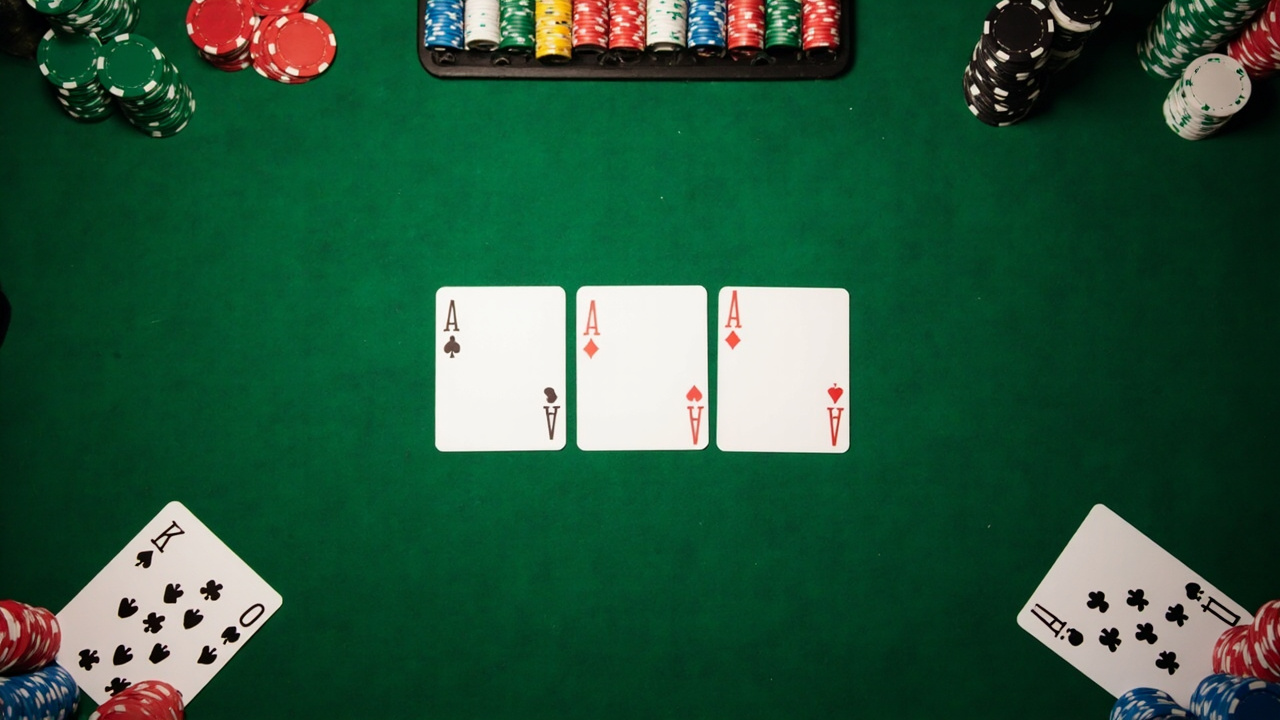
A practical way to keep your head is to decide your tempo before you sit down. Pick a table limit that fits your bankroll, note the min and max, and decide what a sensible stop looks like before the first card drops. Real tables reward patience more than they reward noise, and the clearest rooms are the ones that let you keep that discipline without fighting the interface.
Getting In, Getting Out, Staying Fair
A real-table product only earns trust when the entry and exit are both straightforward. Registration should be quick, the currency you play in should be the one you can read on your statement, and the support line should answer a plain question without dancing around it. I have backed gaming products that looked slick until the first payout query, and the ones that held their value were the ones where the support team could explain a pending status in two sentences, not two paragraphs. That is the same judgement call I made when comparing regulated Serbian products: the licence matters, but so does the everyday behaviour behind it.
If you want to test the feel before you commit, a demo run can be a sensible way to read a dealer’s cadence and a table’s limits without touching real money. You can take a look at the le bandit demo to see how a live-style table presents its pace and rules before you decide whether it fits your session. The point of a demo is not to chase a result; it is to check whether the table’s rhythm matches your own, because a real-table game that suits your tempo is worth far more than one that simply looks busy.
Good real-table play is less about chasing a big moment and more about finding a table that fits the way you actually sit down to play. When the dealer pace is honest, the limits are clear, and the support line answers plainly, the game earns its place in your week rather than just your bookmarks. That is the standard worth keeping, especially when you are playing for the feel of the table as much as the result.